Overview
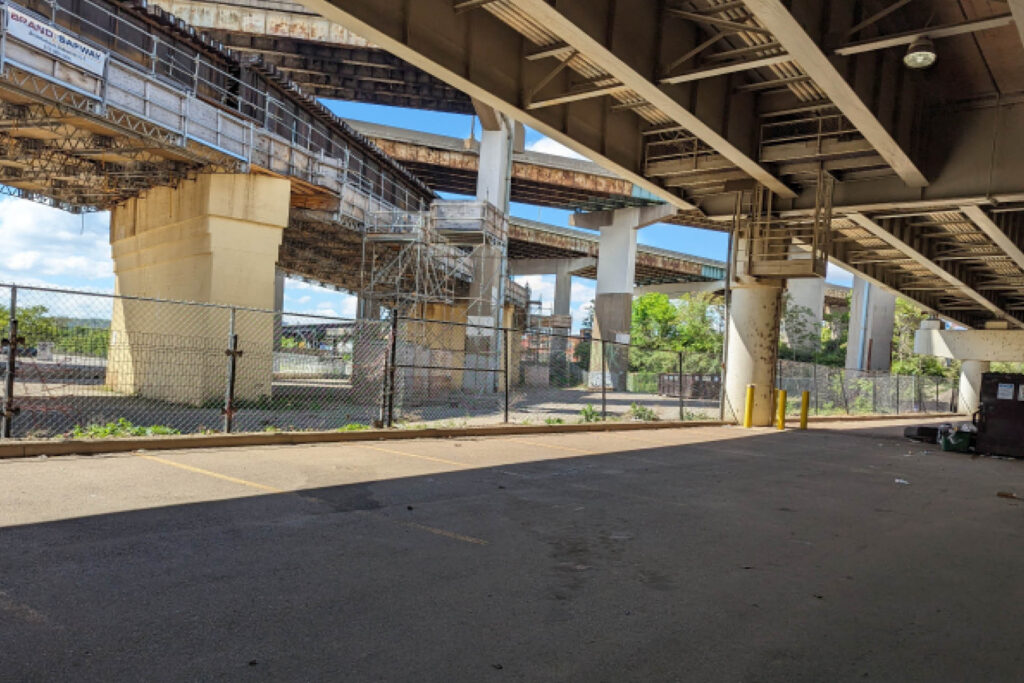
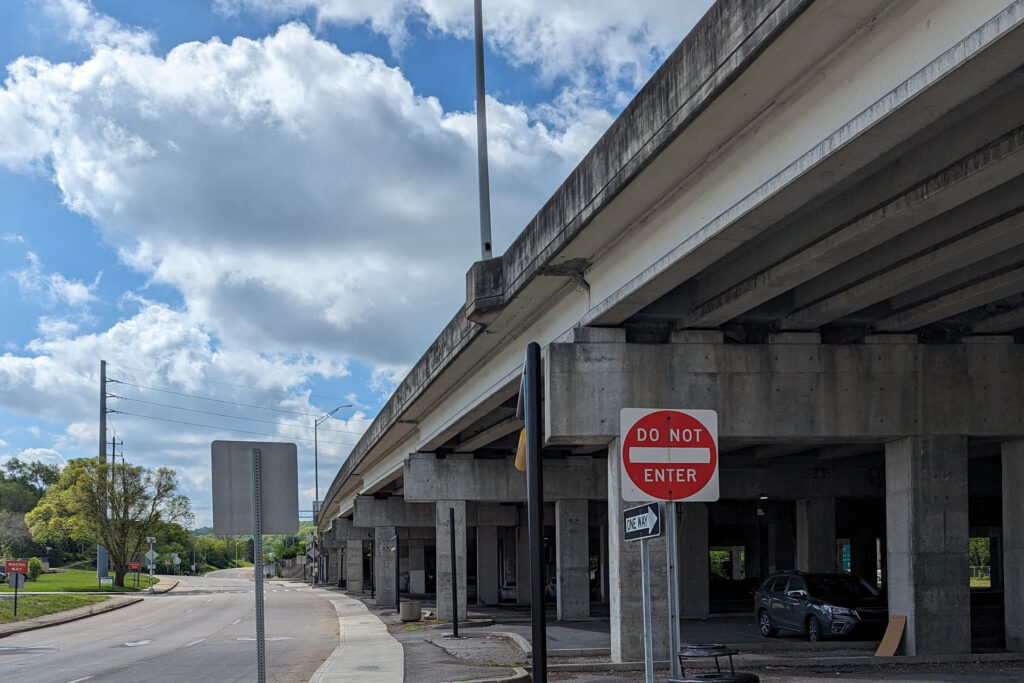
The Brent Spence Bridge Corridor Project consists of three distinct and major components: the approach work (highways, bridges, retaining walls) in Covington, the new “Companion Bridge” over the Ohio River, and the approach work in Cincinnati.
Process
DLZ is the Geotechnical Engineer-of-Record for all work in Covington and is also providing all geotechnical drilling and laboratory testing services for the Companion Bridge and the Cincinnati approach work. The Covington portion of the project is characterized by unique and challenging geotechnical conditions: deep rock (greater than 100 feet) along the Ohio River; thick layers of uncontrolled fills and debris in the downtown Covington area; buried historic river and stream valleys; and shallow, decomposed (weak) rock in the I-71/I-75 “Cut in The Hill” area.
DLZ’s geotechnical engineers and geologists worked with the owner and the rest of the design team to utilize as much existing geotechnical information (e.g. historic boring logs) in the area to optimize the locations of new borings, saving the project budget and accelerating schedules. New borings in the area ranged in depth from 25 feet in the “Cut in the Hill” area to over 150 feet deep adjacent to the Ohio River. DLZ’s unique and cost saving geotechnical recommendations included lightweight geofoam blocks for new embankment fills over soft and compressible soils; rammed aggregate piers to help control ground settlement magnitudes; and wick drains to help accelerate settlements and construction schedules.
DLZ’s geotechnical engineers also assisted with several of the “innovations” for the project that were geared towards cost savings and schedule accelerations. One of these innovations involved constructing a large shear key at the base of the existing I-71/I-75 in the “Cut in the Hill” area. This allowed for widening I-71/I-75 in the area without the need for constructing large and relatively expensive retaining walls.