NEPA

Sound decisions begin with thoughtful analysis to meet all regulatory requirements for various projects, ranging from simple categorical exclusions to extremely complex environmental assessments or environmental impact statements. DLZ supports clients through the NEPA process by integrating environmental insight, regulatory knowledge, and public engagement, helping projects advance responsibly while balancing infrastructure needs with environmental stewardship.

Behind every successful NEPA review is a disciplined process that accounts for water resources, ecological conditions, community impacts, and technical considerations before they become obstacles. DLZ manages that process with the regulatory familiarity and multi-state experience to keep documentation moving and projects on track.

Featured Capabilities

NEPA Documentation

NEPA documentation supports informed decision-making by guiding projects through established federal and state review processes. DLZ’s familiarity with requirements across multiple states and federal agencies helps ensure documentation is thorough, consistent, and aligned with agency expectations.

Water Resources

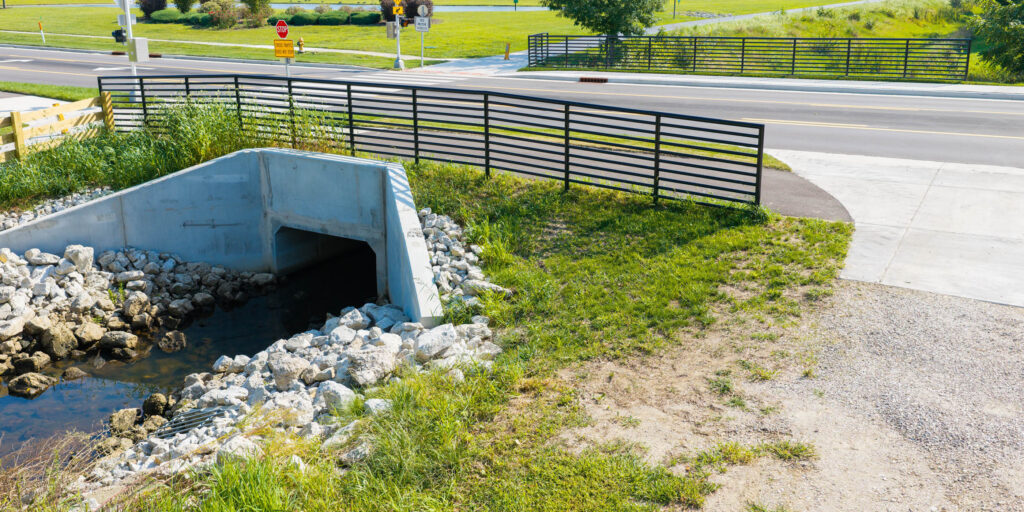
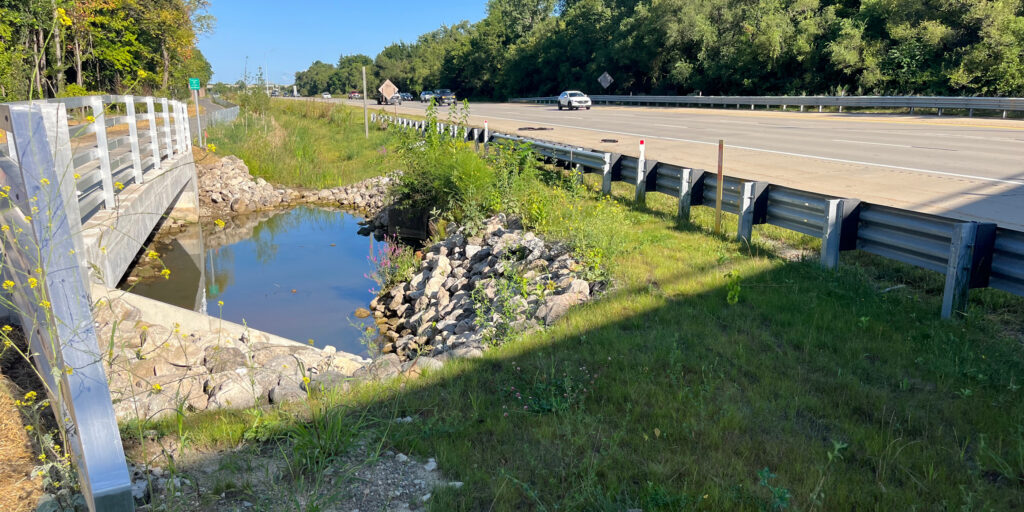
Water resource evaluations consider wetlands, lakes, streams, and floodplains to support responsible project planning and environmental compliance. Field investigations combined with detailed desktop analysis provide a clear understanding of existing conditions and potential impacts.

Social Investigations

Social investigations help clarify how projects may affect communities, businesses, and populations. Desktop research using census data, demographics, and online sources – paired with business impact surveys – supports transparent, informed decision-making.

Technical Studies

Technical studies evaluate key environmental and infrastructure considerations early in the process. Analyses may include noise, traffic, hazardous materials, engineering alternatives, feasibility studies, and targeted survey efforts to identify risks and guide practical solutions.

Public Involvement

Public involvement creates meaningful opportunities for community input and shared understanding. Engagement may include virtual tools as well as in-person open houses and public informational meetings to ensure accessibility and transparency throughout the process.

Ecological

Ecological evaluations assess potential impacts to natural resources and sensitive habitats. Surveys for threatened and endangered species and associated habitat help identify constraints and support responsible project development.

Related Work

Get in touch with some of
our NEPA experts.